


The UK is experiencing more frequent periods of warm, dry weather, with the five hottest summers on record all occurring since 2003. Young trees are vulnerable in hot weather as shallow, undeveloped root systems limit water uptake from the soil. Aftercare in the first few years is crucial for successful establishment, but fortunately a few straightforward measures can make a big difference, enabling newly planted trees to survive and thrive. It’s important to plan ahead right from the start so thinking about future conditions when you’re planting this winter is vital.
Getting planting right from the beginning
Good establishment starts with good planting. Future-proof trees by matching species to the site’s soil and moisture conditions. Keep in mind that today’s planting conditions may differ from those the mature trees will experience in decades to come. If you’ve planted before, consider which species established successfully during past drought years and prioritise those.
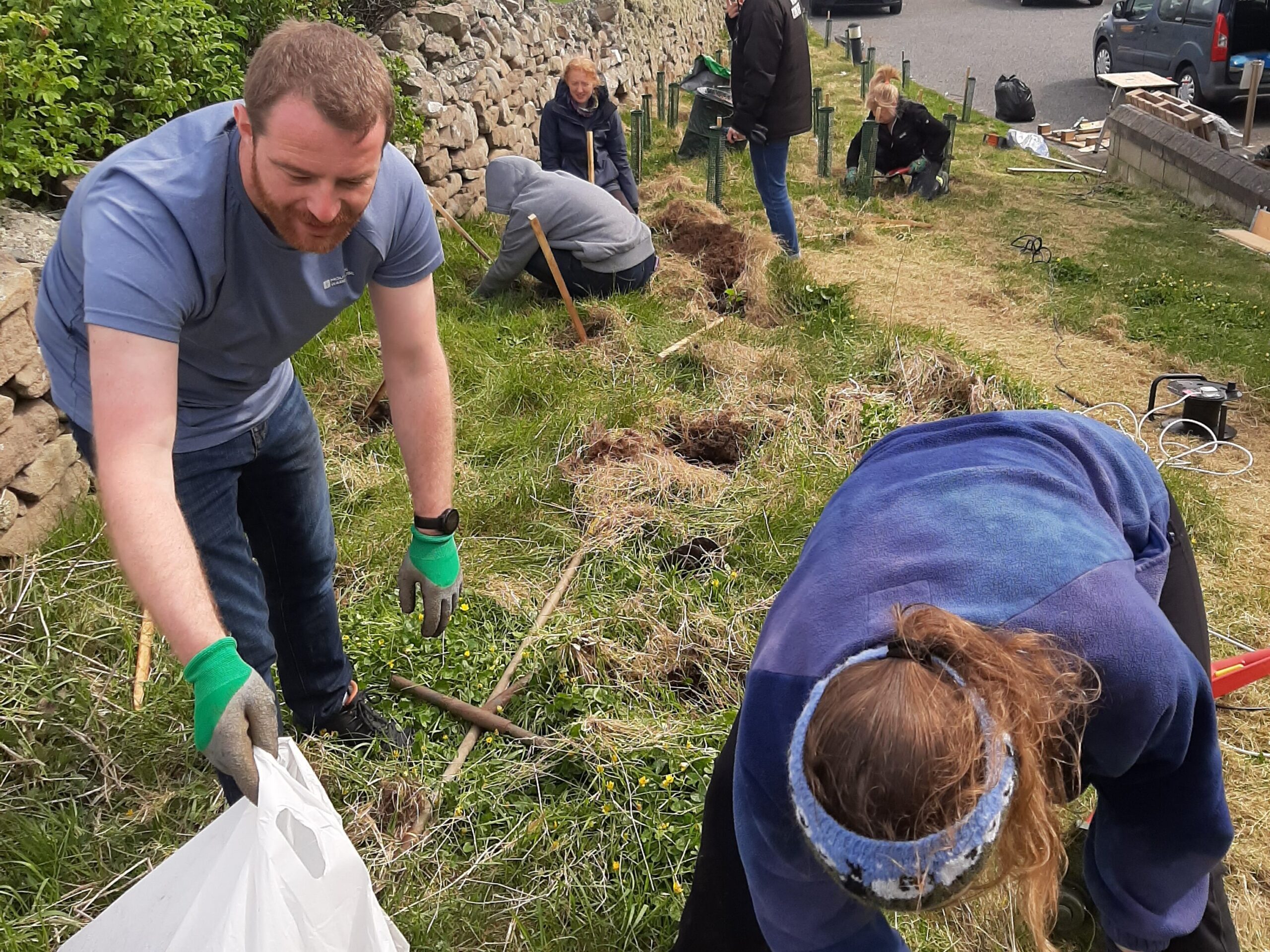
Trees should be planted while dormant (between November and March) into cool, moist soil. It is worth planning ahead to ensure they will experience optimal conditions during their first growing season, considering soil quality, exposure to the elements and water availability when choosing where to plant. Make sure trees are planted firmly, ensuring root systems have good contact with the surrounding soil but are not buried too deeply.
Not sure where to start? Check out our planting guidance on the NHS Forest website here.
Water deeply and regularly, not little and often
Watering trees should be the exception, not the rule. Trees will naturally adapt to local conditions by developing deep roots that access groundwater. However, drought is becoming more common in the UK as a result of climate change, and you may need to water young trees during prolonged dry weather.
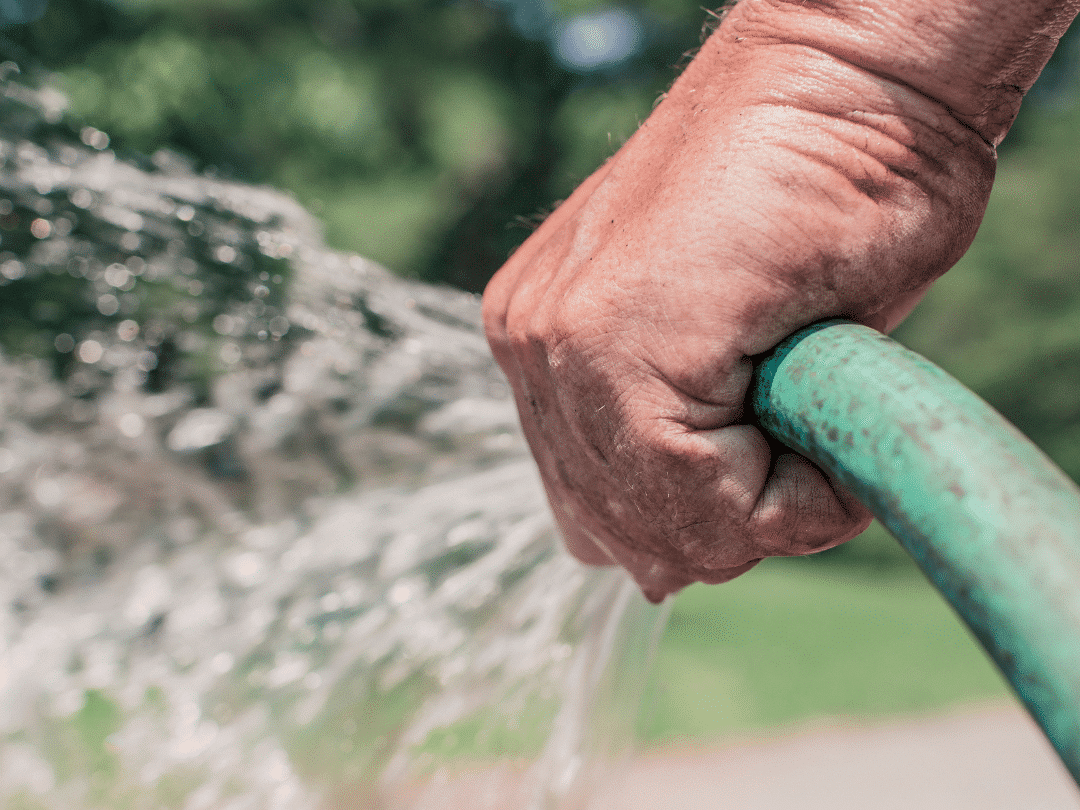
It is important that water reaches the roots rather than simply wetting the soil surface, so give the trees a thorough soaking rather than frequent small amounts during dry spells. Watering needs will vary according to tree size, soil, weather and site conditions, but a rough guide during drought is a full watering can or five minutes with a hose per 2.5 cm of trunk diameter (measured at knee height) once a week in early years, with frequency reduced in subsequent growing seasons.
Overwatering can be harmful too, so try to avoid soggy soil or standing water when watering your trees.
Why not make watering a team effort? Watering duties during the summer months can be a great way to involve staff and volunteers in caring for young trees. It only takes a simple rota to transform tree care into a community activity rather than leaving it to one person.
Don’t forget about the soil
Mulch can also help young trees establish during dry weather. A layer of organic mulch, such as woodchip or bark, helps retain moisture in the soil by reducing evaporation, while also suppressing grass and weeds that compete with young trees for limited water and nutrients. Apply mulch in a ring around the base of the tree to a depth of 5–10 cm, keeping it clear of the trunk to prevent rot and discourage pests. As the mulch breaks down, it also improves soil structure and organic matter, supporting healthier root development over the long term.
NHS Forest’s tree bundles are all supplied with mulch mats and pegs to help retain moisture, suppress weeds and protect the newly planted trees during establishment. Find out more here.
Check in on your trees regularly
Check in on the trees before they look stressed. Regular monitoring allows you to respond to dry conditions before water stress becomes severe. Watch out for signs of water stress, such as wilting or curling leaves, leaf discolouration or scorch, bark splitting, shoot dieback, and dry or cracked soil. Premature leaf drop may also occur and, while worrying, this is not uncommon in the first summer after planting – even when trees are being watered – so there is no need to panic.
It’s also a good idea to check that tree shelters and mulch mats remain securely in place at the beginning of each growing season. These are the first line of defence against browsing animals and intrusive weeds, threats that become more significant during the warmer months when the trees are in leaf.
Read more about tree maintenance in our blog here.
Thinking beyond the current summer
Over time trees will increasingly rely on soil moisture alone, becoming largely self-sufficient with less frequent human interventions. Good establishment in the first few years helps build resilience, while ongoing monitoring can help determine which species and planting approaches work best on your site for future planting.
Why tree planting matters in a warming climate
As the climate changes, more frequent periods of drought will make establishing young trees more challenging – it may even seem reasonable to question whether we should continue planting at all.
Trees are part of the solution. They capture and store carbon throughout their lives, helping reduce greenhouse gases in the atmosphere. While tree planting alone won’t solve climate change, it is an important part of a wider response. The benefits of large, mature trees take decades to develop. Delaying planting because conditions are becoming more difficult would leave future generations with fewer trees when they are needed most.
Trees can also help us adapt to a warmer climate. Mature trees provide shade, cool surrounding areas through evapotranspiration, reducing the urban heat island effect, and making outdoor spaces more comfortable for patients, staff and visitors during heatwaves. NHS Forest’s new Climate Canopy tree bundles have been designed to create shaded areas, cool zones and shelterbelts to provide protection from storms. The investment of time – and water – while trees establish will create healthier, more resilient green spaces for NHS sites in the future.